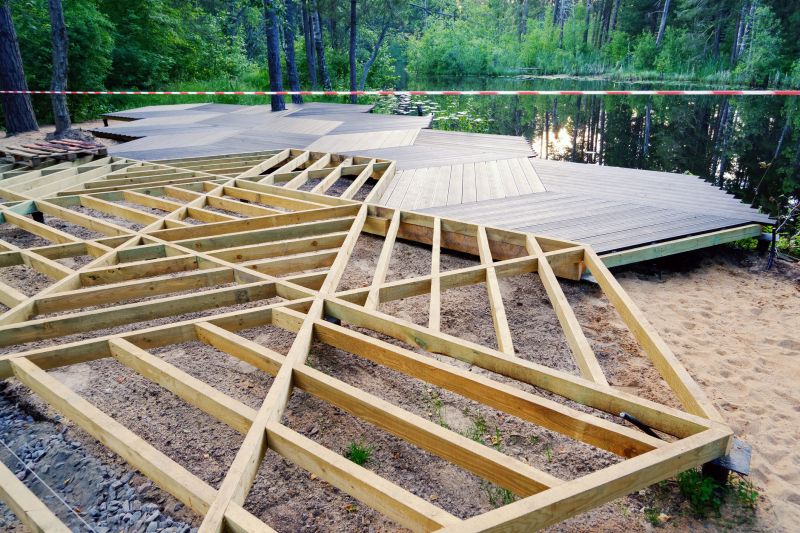
Floating Deck Installation in Fairfield County, CT
Floating deck installation services provide a versatile option for enhancing outdoor living spaces without the need for extensive groundwork or permanent foundation structures. These decks are typically built on support blocks or piers, allowing them to be placed over grass, gravel, or uneven surfaces. Homeowners often request floating decks for creating additional seating areas, outdoor dining spaces, or relaxing zones that can be easily moved or adjusted as needed. Projects can range from small platforms for individual seating to larger decks that extend across a significant portion of a yard, providing a functional and attractive outdoor feature.
Before requesting floating deck installation, property owners usually want to understand the size, design options, and materials available to suit their outdoor space and aesthetic preferences. It’s important to consider the weight capacity, accessibility, and how the deck will integrate with existing landscaping or structures. Clarifying these details helps ensure the finished project meets expectations for functionality and visual appeal, making it a seamless addition to the home’s outdoor environment.
Many property owners in Fairfield County, CT look into Floating Deck Installation for repairs, replacements, upgrades, and appearance-related improvements.
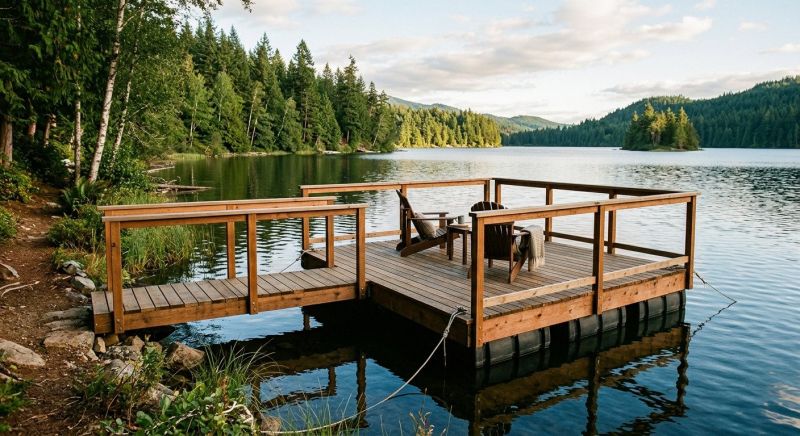
Design Options For Floating Decks
Choose from a variety of styles and layouts to complement your outdoor space.
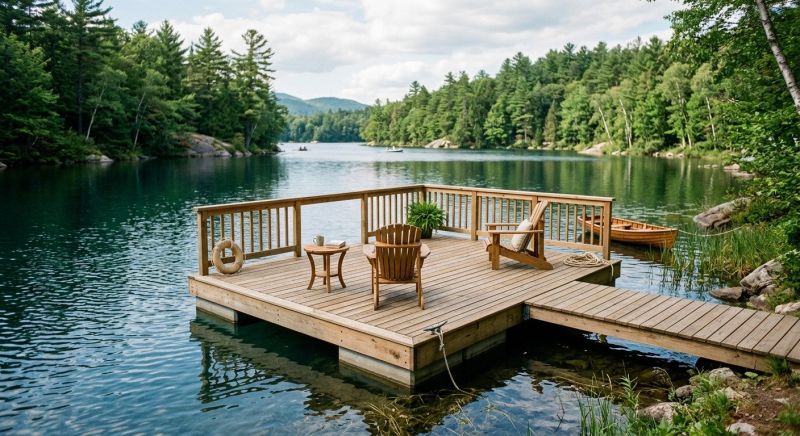
Benefits Of Floating Decks
Floating decks provide a versatile and attractive area for relaxation and entertaining.
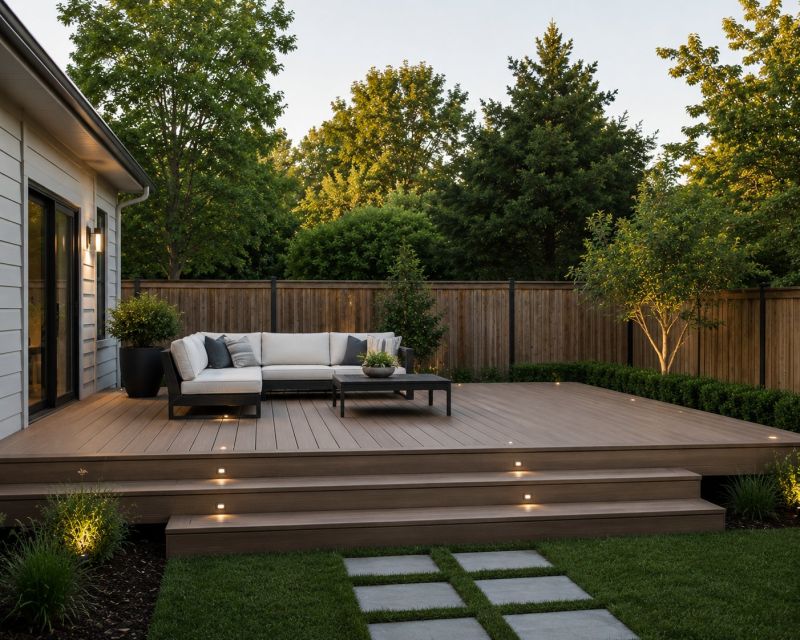
Installation Considerations
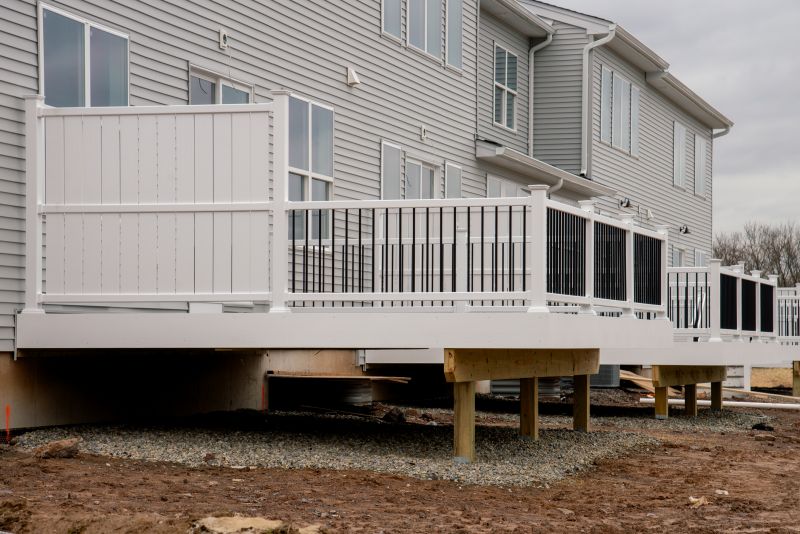
Proper support and foundation are essential for a safe and durable floating deck in fairfield county, ct.
Floating Deck Installation in Fairfield County, CT
Floating deck installation services provide a versatile option for enhancing outdoor living spaces without the need for extensive groundwork or permanent foundation structures. These decks are typically built on support blocks or piers, allowing them to be placed over grass, gravel, or uneven surfaces. Homeowners often request floating decks for creating additional seating areas, outdoor dining spaces, or relaxing zones that can be easily moved or adjusted as needed. Projects can range from small platforms for individual seating to larger decks that extend across a significant portion of a yard, providing a functional and attractive outdoor feature.
Before requesting floating deck installation, property owners usually want to understand the size, design options, and materials available to suit their outdoor space and aesthetic preferences. It’s important to consider the weight capacity, accessibility, and how the deck will integrate with existing landscaping or structures. Clarifying these details helps ensure the finished project meets expectations for functionality and visual appeal, making it a seamless addition to the home’s outdoor environment.
Many property owners in Fairfield County, CT look into Floating Deck Installation for repairs, replacements, upgrades, and appearance-related improvements.
Common Floating Deck Installation Jobs
Floating Deck Installation - creates an elevated outdoor space that is easy to install and remove.
Floating Deck Installation - provides a versatile platform for outdoor furniture and gatherings.
Floating Deck Installation - enhances the usability of uneven or sloped yard areas.
Floating Deck Installation - offers a cost-effective alternative to traditional ground-level decks.
Floating Deck Installation - can be customized to match existing landscaping and outdoor decor.
Floating Deck Installation - is suitable for adding a private retreat or entertainment area.
Floating Deck Installation Questions
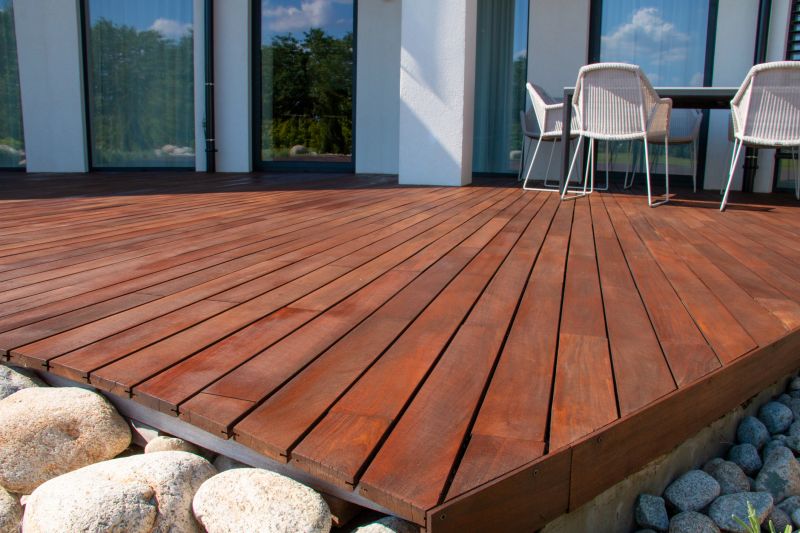
What is a floating deck? A floating deck is a free-standing platform that sits directly on the ground or on a gravel base without attaching to the house.
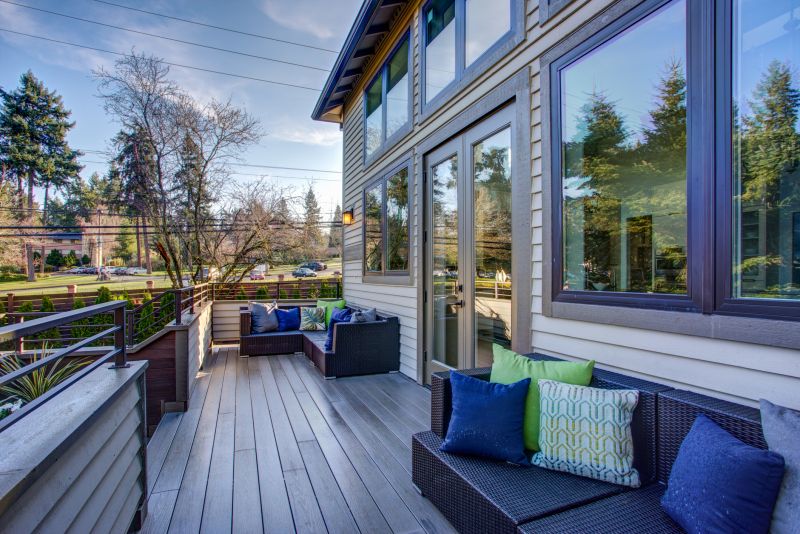
What are common uses for a floating deck? Floating decks are often used for outdoor seating, dining areas, or as a foundation for a hot tub or fire pit.
What materials are typically used for floating decks? Common materials include pressure-treated wood, composite decking, and cedar, chosen for durability and appearance.
How does a floating deck differ from a traditional deck? Unlike traditional decks, floating decks are not anchored to the house, allowing for more flexibility in placement and easier installation.
Request Floating Deck Installation in Fairfield County, CT
Use the quote form on this page to share the basics of your project and request more information for the type of work you need.